Bring Junior History League to Your School or Program
Ready-to-teach video episodes and hands-on activities that help young people discover the history in their own backyard, and see themselves in it.
Built for programs like yours
Junior History League works wherever young people gather to learn:
After-school programs
Summer camps and township recreation programs
Camps run by historic sites and museums
Classrooms and school-day enrichment
Libraries and community organizations
What Young People Gain
-
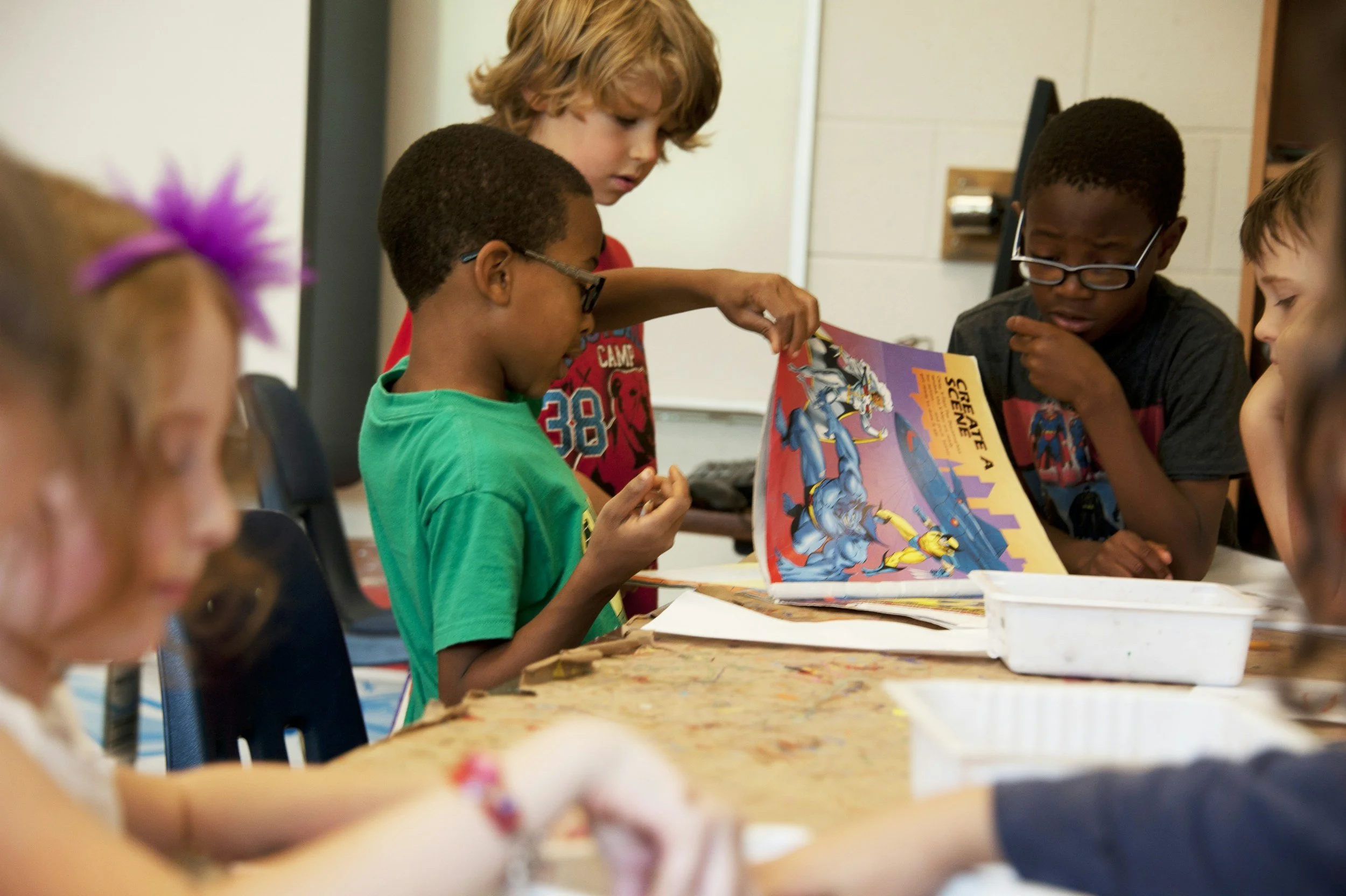
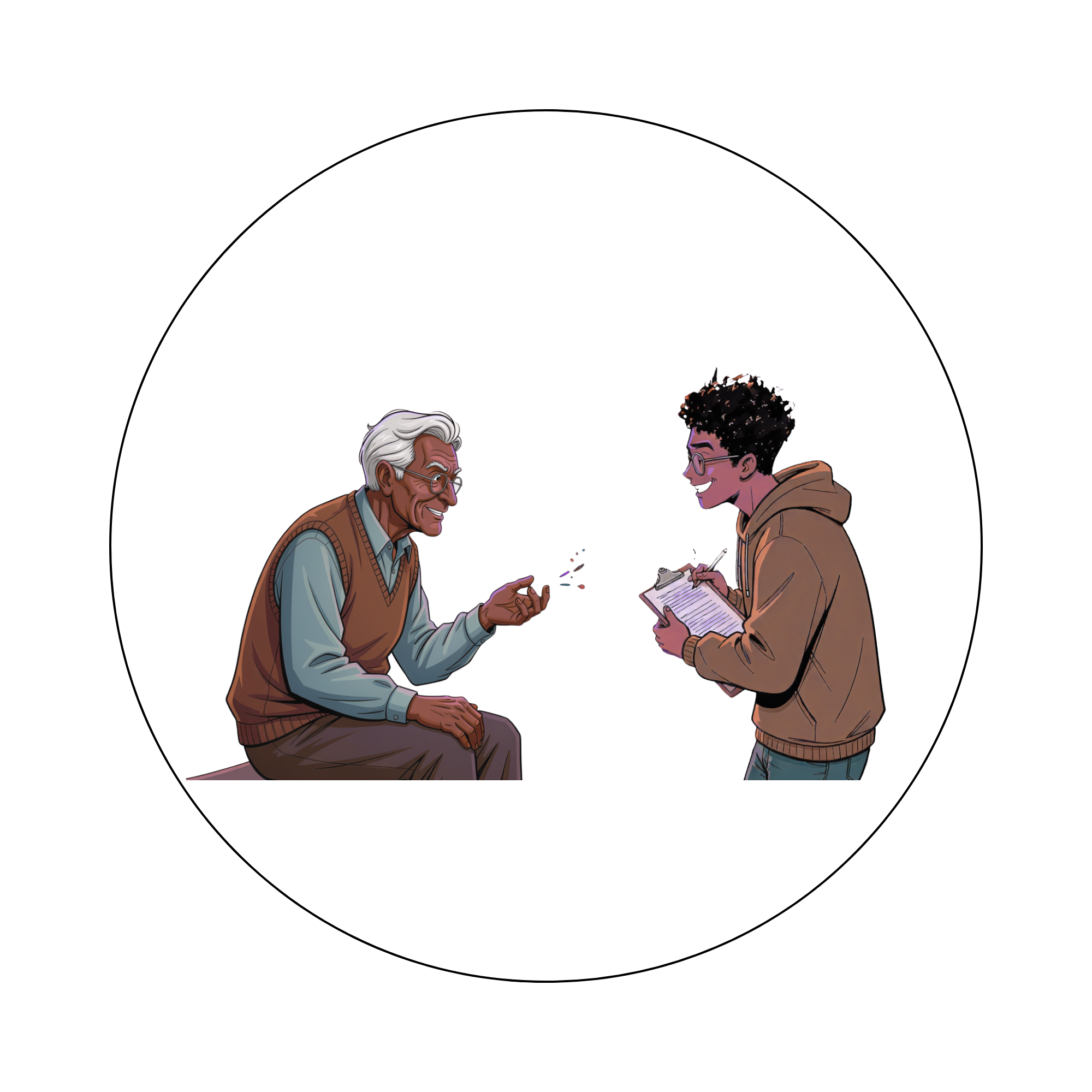
Young people take the lead. They conduct interviews, share discoveries, and present their work to the people who matter most to them.
-
Every activity builds communication skills through listening, asking questions, taking notes, and telling a story in their own words, without feeling like extra homework.
-
By uncovering the stories around them, young people see themselves as part of their community’s history, and as people who can shape what comes next.
-
Young people learn to ask who told a story, who was left out, and how we know what we know.
-
Activities invite young people to talk with their elders and neighbors, and every unit ends with a chance to share their work with family and friends.
How it works
Watch
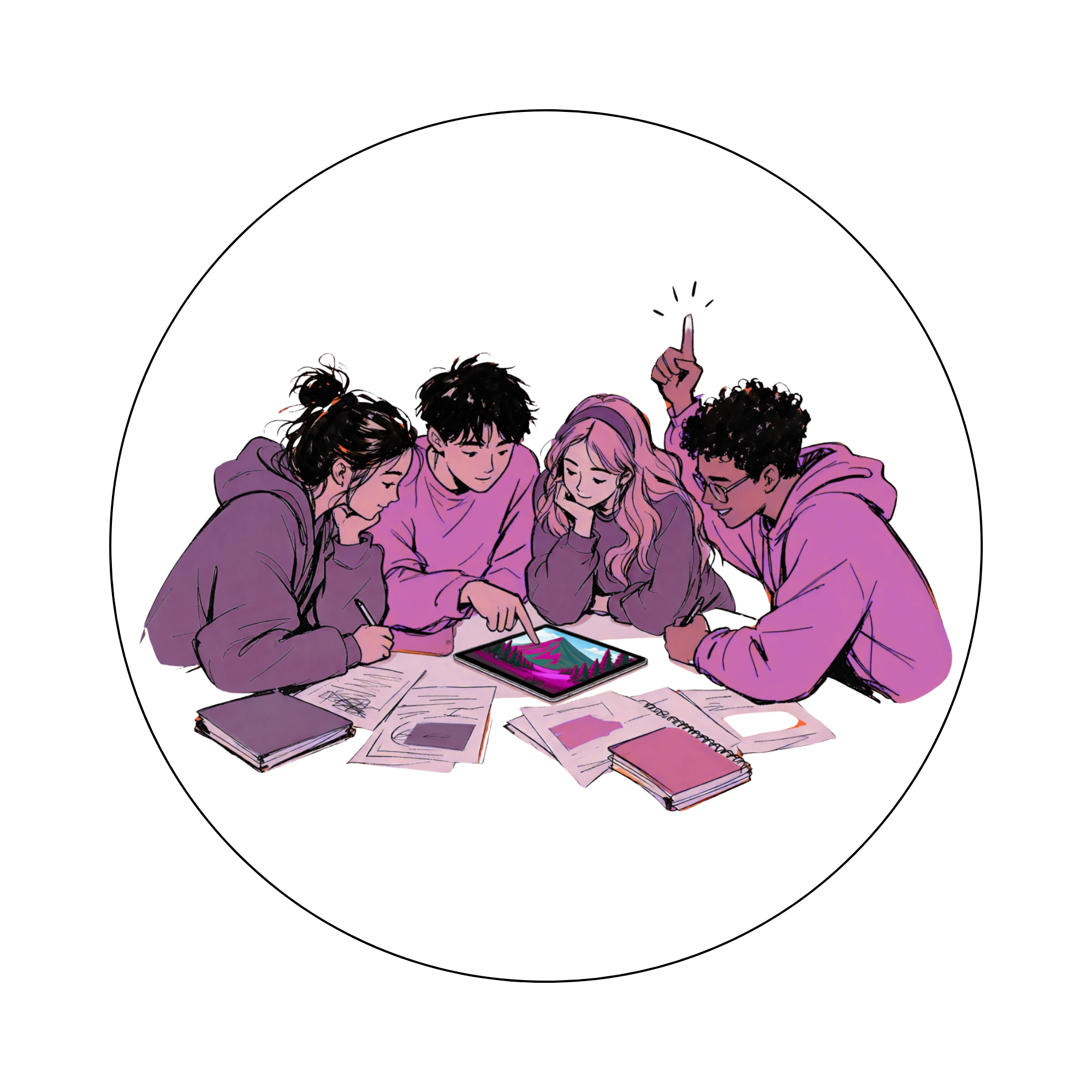
Each episode visits one place in New Jersey and tells one story, in about 8–12 minutes.
Explore
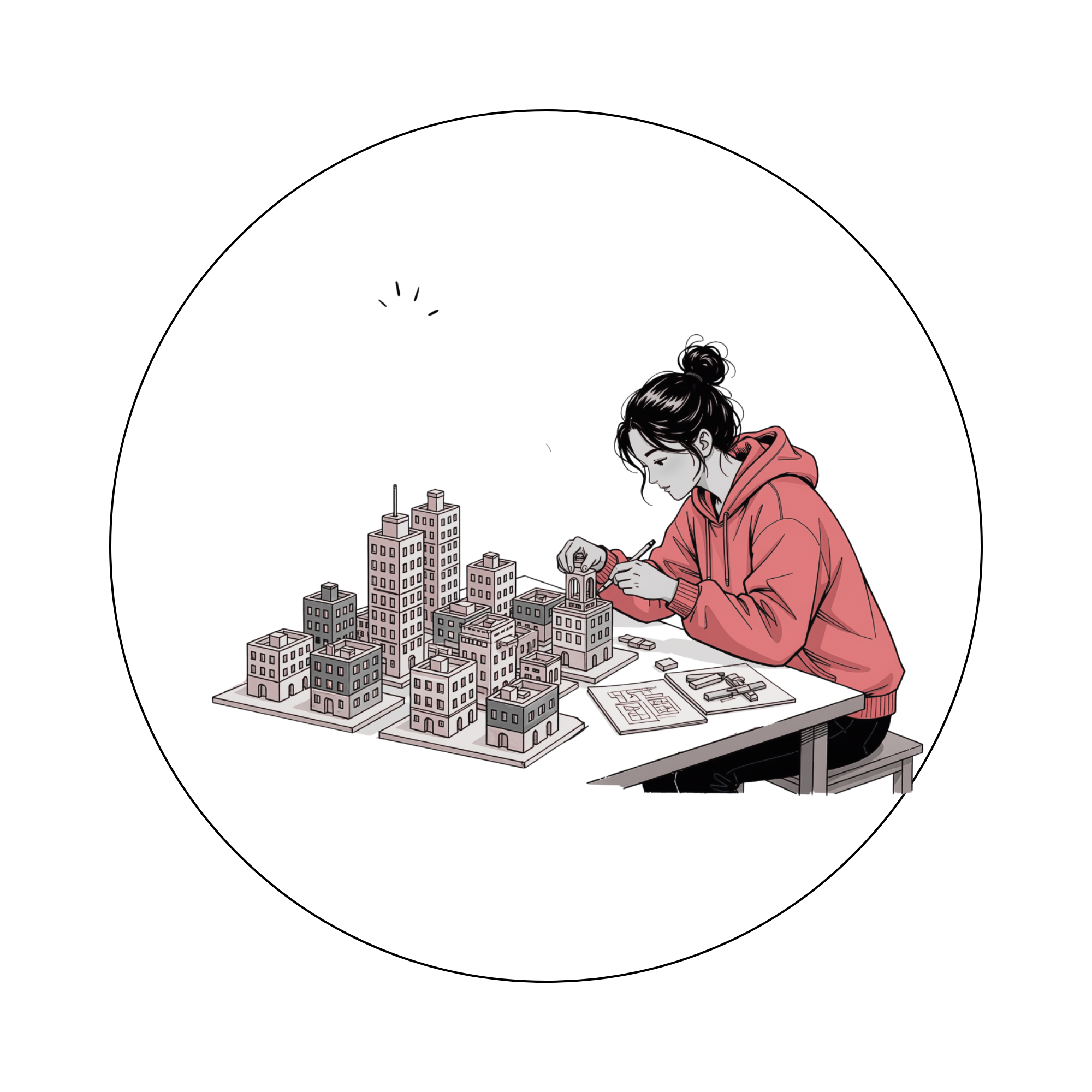
Hands-on activities for elementary, middle, and high school students turn watching into doing: interviewing, mapping, building, and creating.
Watch
Young people research their own communities and learn to share and archive what they find.
Interested in bringing Junior History League to your school or program?
Frequently Asked Questions
-
No. Every facilitator guide includes the background, discussion questions, and step-by-step instructions your staff need to lead with confidence.
-
Yes. Every unit connects to New Jersey’s social studies standards and can be used in classrooms as well as after-school and summer programs.
-
No. We gather feedback from program staff only. Any tools for understanding what young people gained are anonymous and stay with your program.
-
A screen to show episodes and common program supplies like paper, markers, and tape. Each facilitator guide lists exactly what’s needed.