Junior History League
A local history league for young people
Every community has a history worth teaching.
Junior History League gives museum educators, volunteer docents, and classroom teachers the tools to turn local history - your community’s artifacts, documents, geography, and stories - into a rigorous, engaging curriculum for young people.
No curriculum design experience required.
C3 Framework aligned
Designed for grades 3-8

Great for sites without full-time staff
Works in museum or classroom
Why Junior History League Exists
Your students’ history didn’t start in a textbook.
There are thousands of small museums, historic sites, burial grounds, and community archives across the country. Most of them hold histories that students in their communities will never encounter in a textbook. They tell the stories of the people who built the buildings, worked the land, and shaped the neighborhoods that exist today.
Many sites also don't have the staff, the time, or the training to turn those stories into a curriculum. And most classroom teachers don't have a clear path to connect their students to the living history right outside their classroom walls.
Junior History League exists to close that gap.
We've built a library of customizable curricula for museums, historic sites, and classrooms that teach students to think historically by engaging with the real objects, documents, photographs, landscapes, and voices of their own communities. Every curriculum is designed to be adapted by the educator who uses it to the specific history they want to teach and to the students they know best.
As you build your curriculum, you're also joining a growing community of educators doing this work across the country - sharing what they've built, asking questions of each other's practice, and expanding what local history education looks like in action.
You don't need to be a curriculum designer. You need to know your community. We'll handle the rest.

What Junior History League Teaches
One framework. Infinite entry points.
History isn't a story you learn to tell. It's a set of questions you learn to ask.
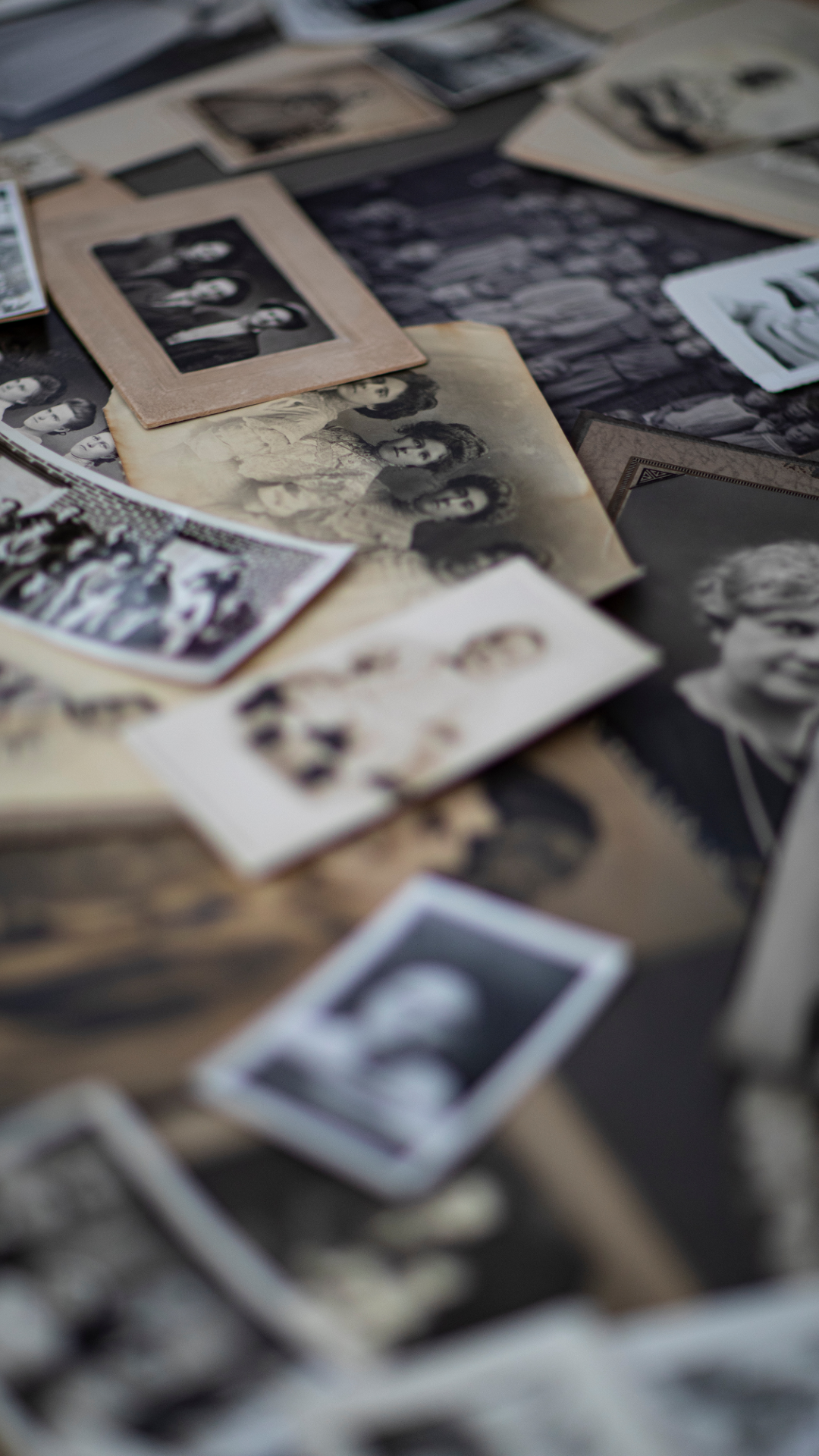
Good history starts with a question. Great history starts with noticing what nobody thought to ask. Junior History League curriculum is built around the same four historical thinking practices that historians actually use, and rooted in the history that's closest to home. When young people learn to read the artifacts, documents, photographs, and landscapes of their own communities, something shifts.
They stop seeing history as something that happened to other people, somewhere else, a long time ago. They start seeing it in the building on the corner, on the name on the street sign, and in the story their grandmother told them, which has no historical record. That kind of seeing changes things. Young people who understand how their communities were created are better equipped to care for them and imagine their future. The skills they build here start local and reach far - into every community, classroom, and public space they'll ever inhabit.
-
Before students can analyze history, they need to learn to see it carefully. Every curriculum begins with an object, a photograph, a document, or a landscape, and slows students down enough to really look.
-
Every source was created by someone, for a purpose, and that purpose shapes what gets recorded. Students learn to ask not just what a source says, but whose story it tells, and whose story becomes silent.
-
A single source never tells the whole story. Students learn to place what they're examining in historical time - connecting it to the laws, conditions, and events that shaped the choices real people made.
-
The most powerful move in historical thinking is learning that the questions we ask determine what we see. Students practice reframing traditional historical questions to bring the people the archive left out back into view.
These four practices are critical to understanding the history of any object. Any document. Any landscape. Any community. That's what makes the Junior History League framework different from a fixed lesson plan - it travels wherever history lives.
Junior History League Curriculum Library
Historical Thinking Series
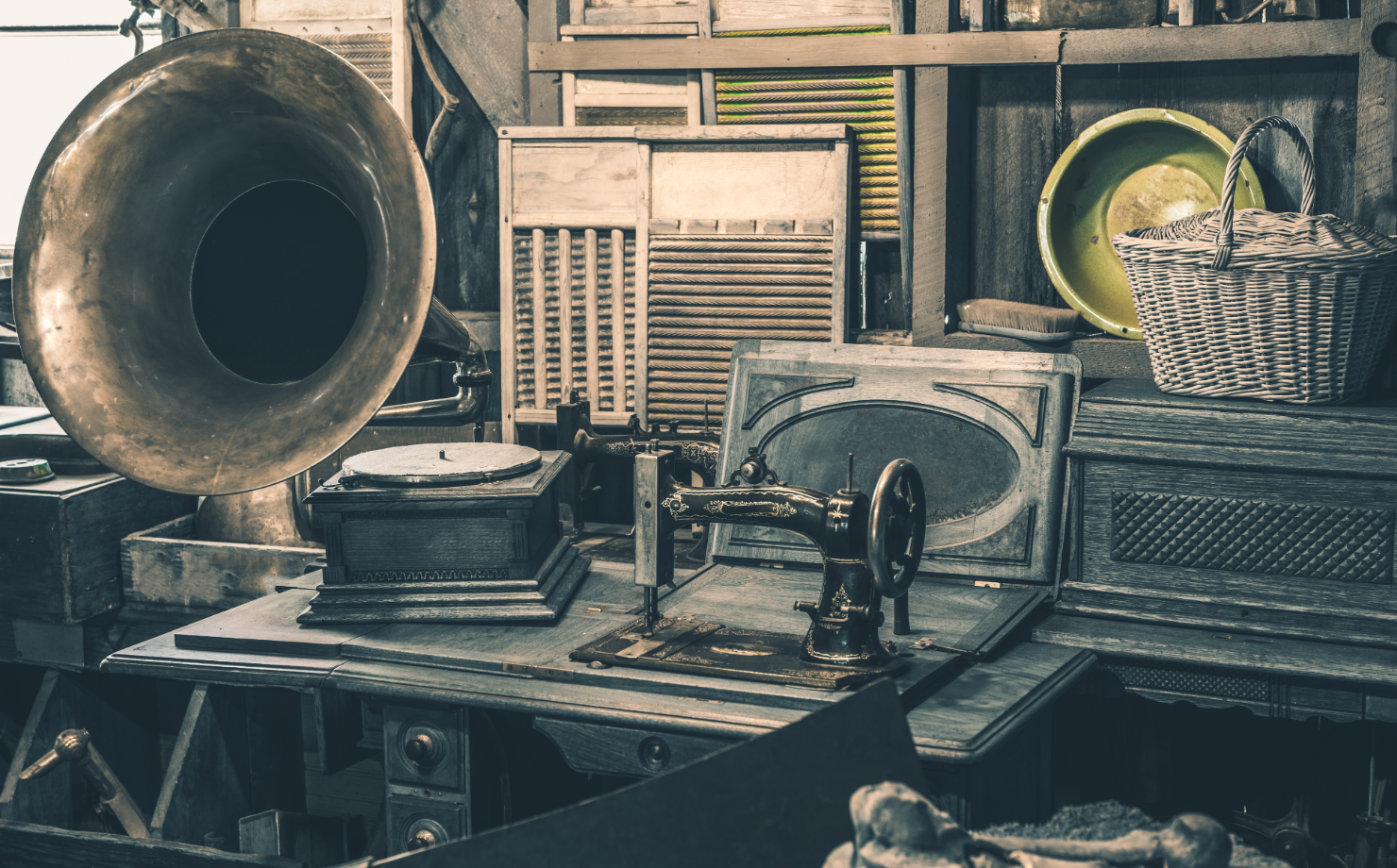
Objects Speak
Start with an object and trace it toward the processes, practices, or people left out of the archive.
Historical Thinking Series
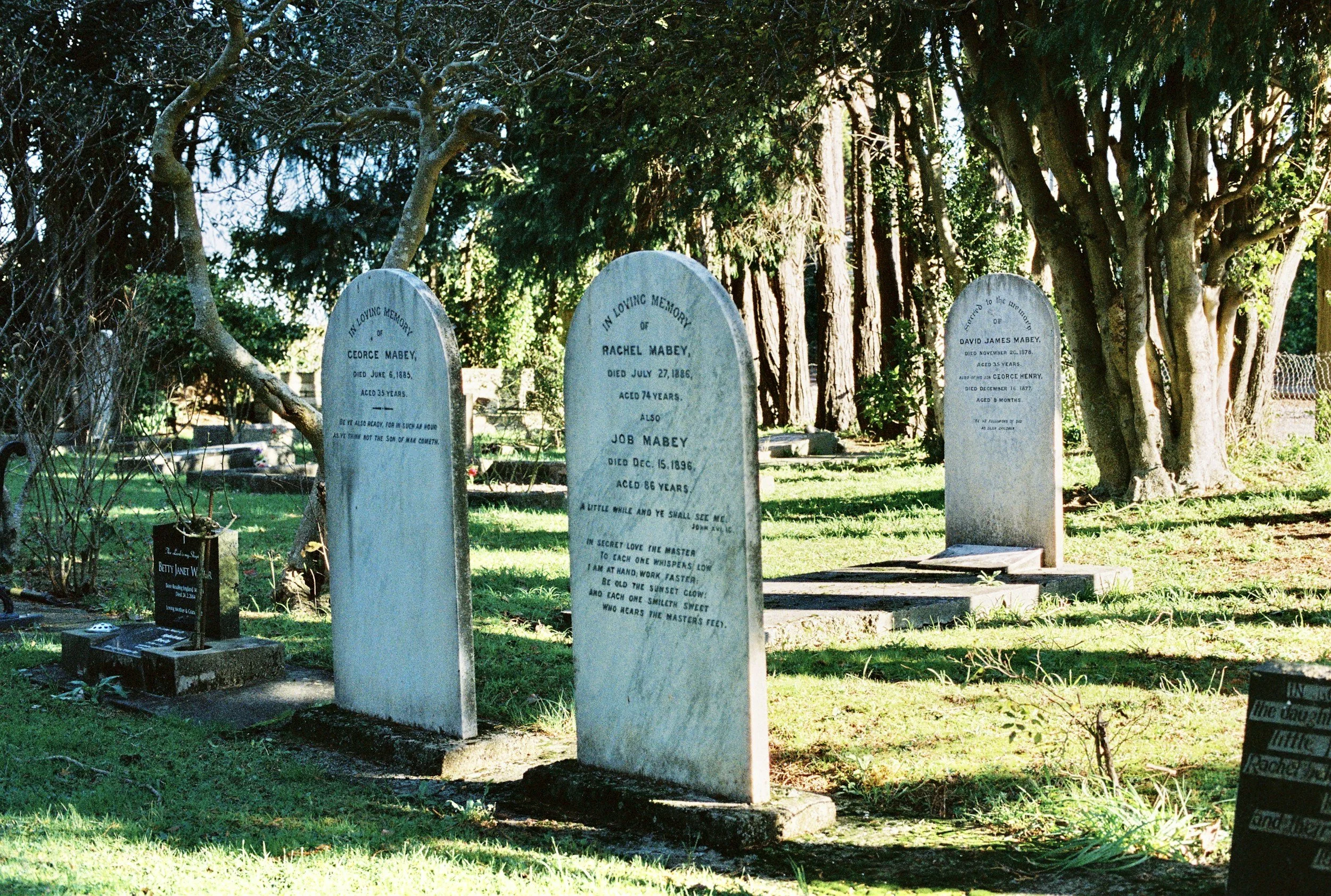
Who’s Buried Here?
Historical Thinking Series
Read a burial ground as a primary source about power and belonging.
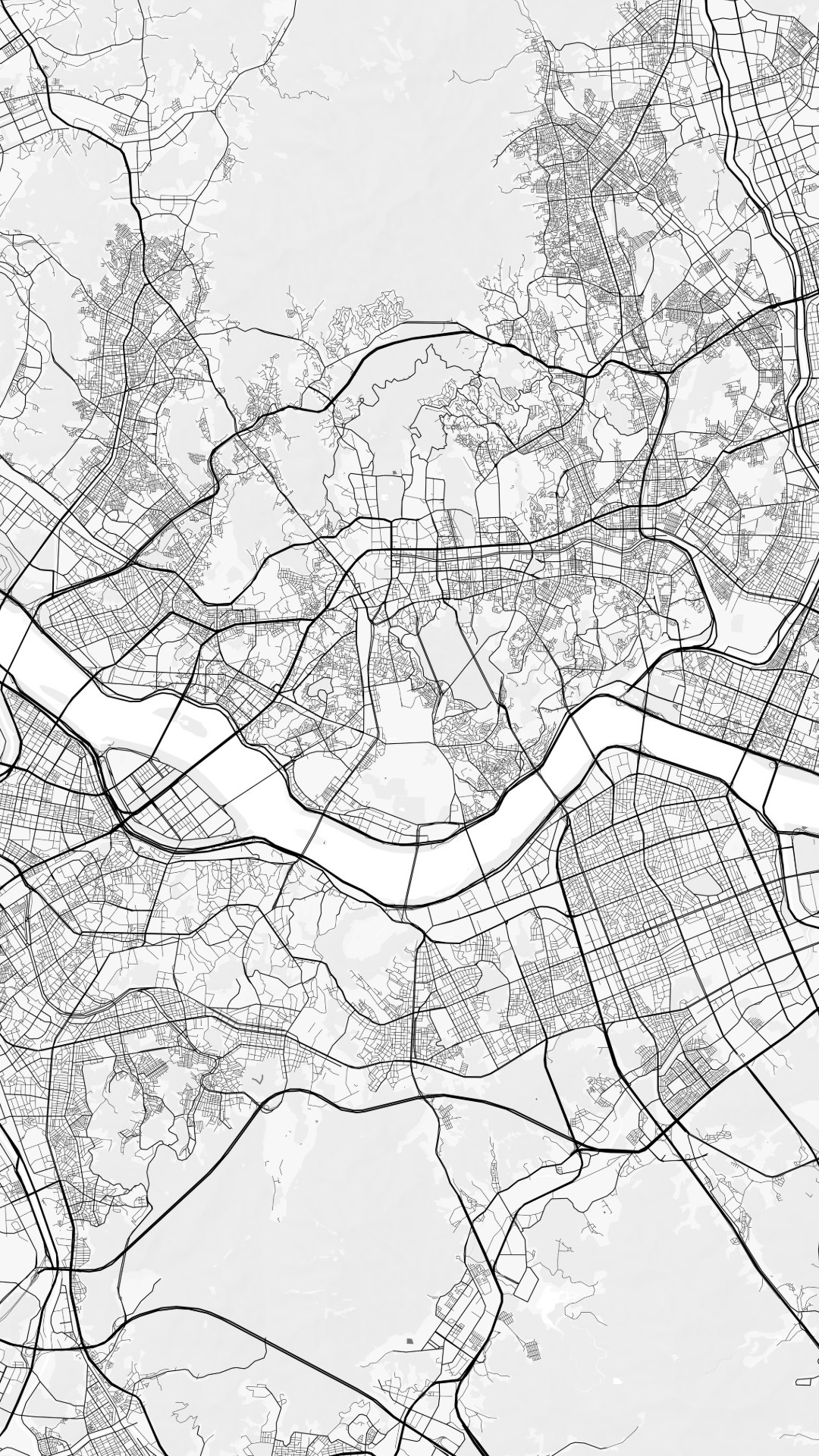
Landscape as Historical Evidence
Historical Thinking Series
Read the land itself as an archive.
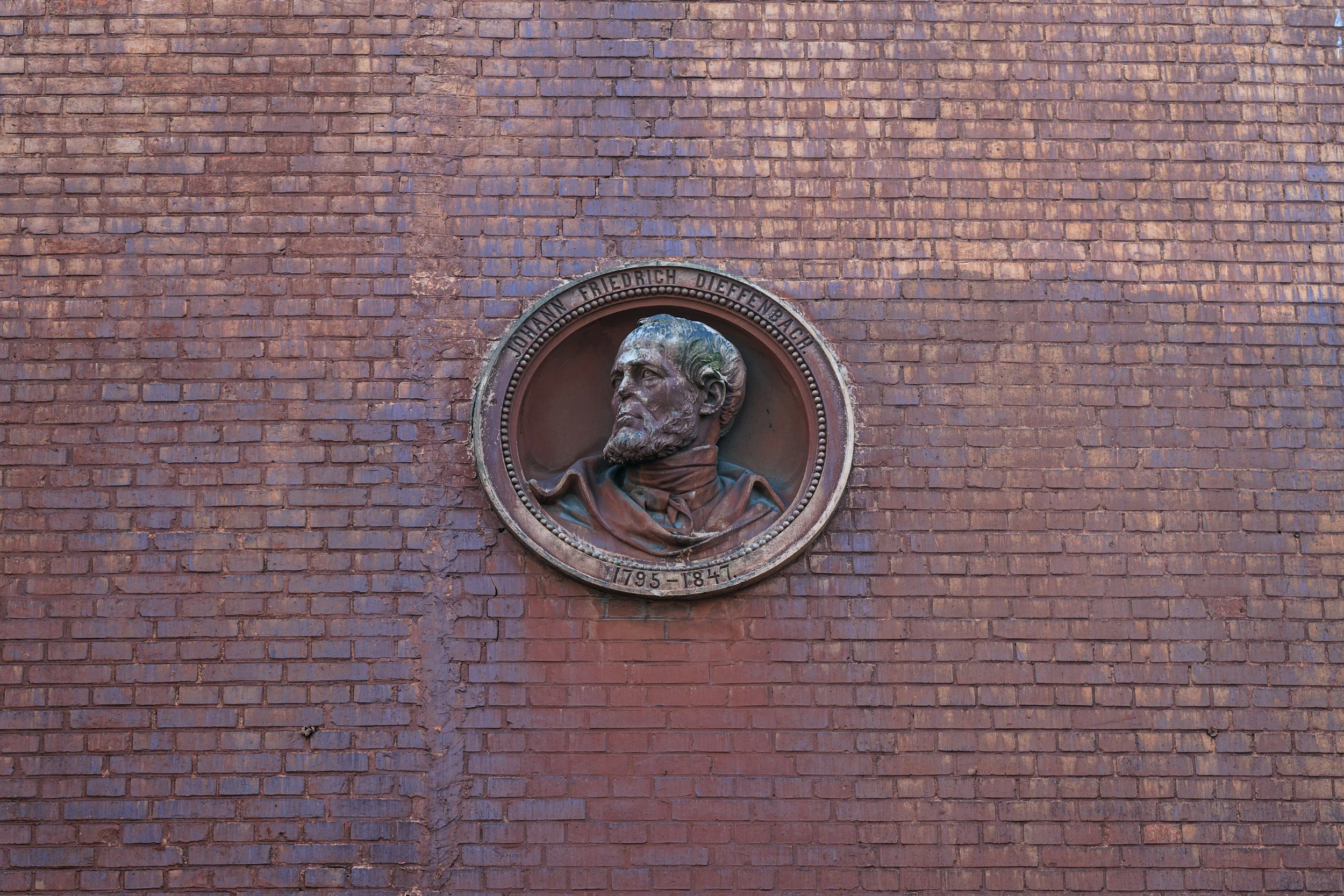
Who’s Name Is On The Building?
Historical Thinking Series
Analyze who gets commemorated, as well as what (and who) gets left out of the story.
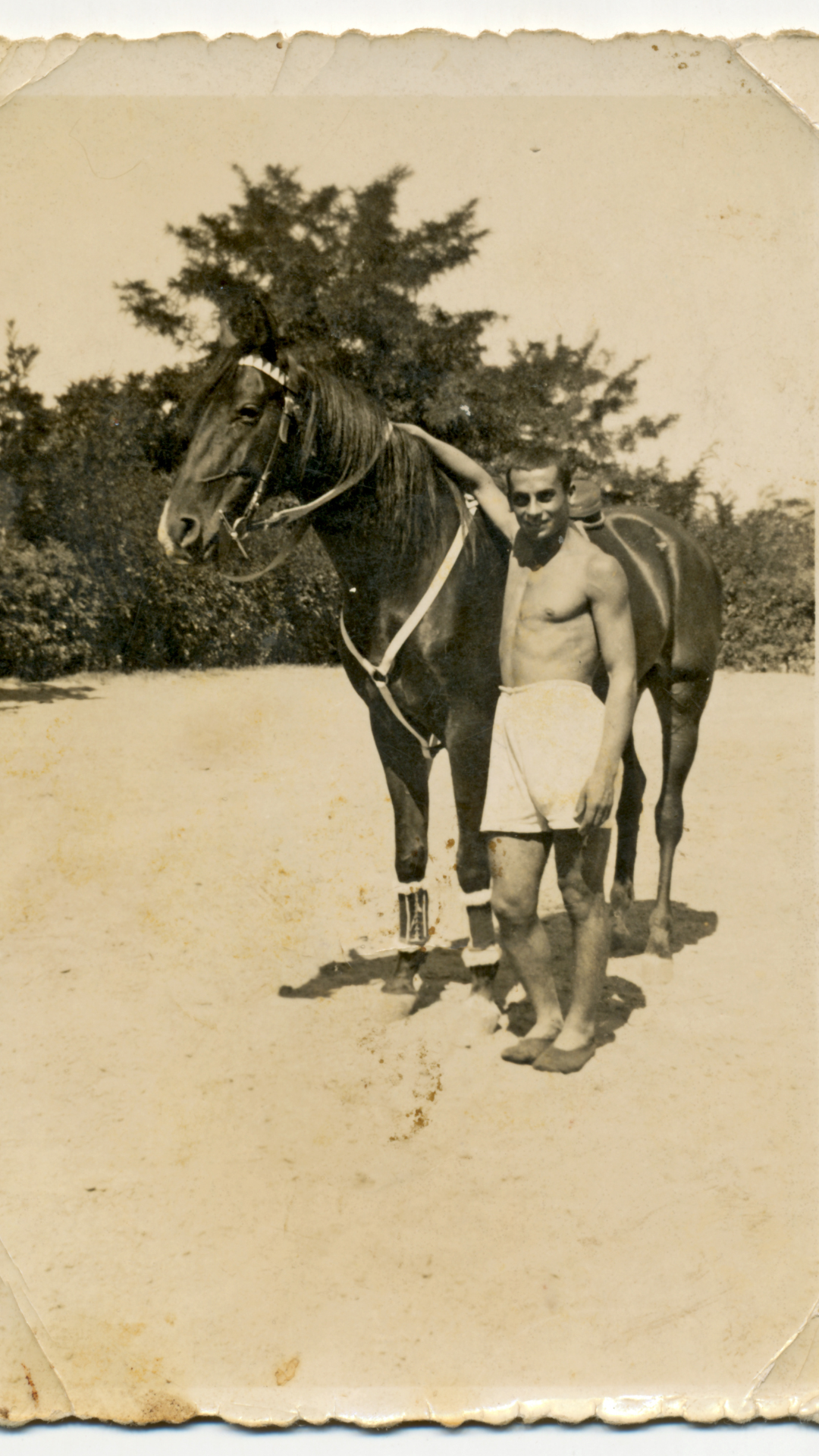
Reading a Photograph
Historical Thinking Series
Learn to read the frame - and what may be happening outside of it.
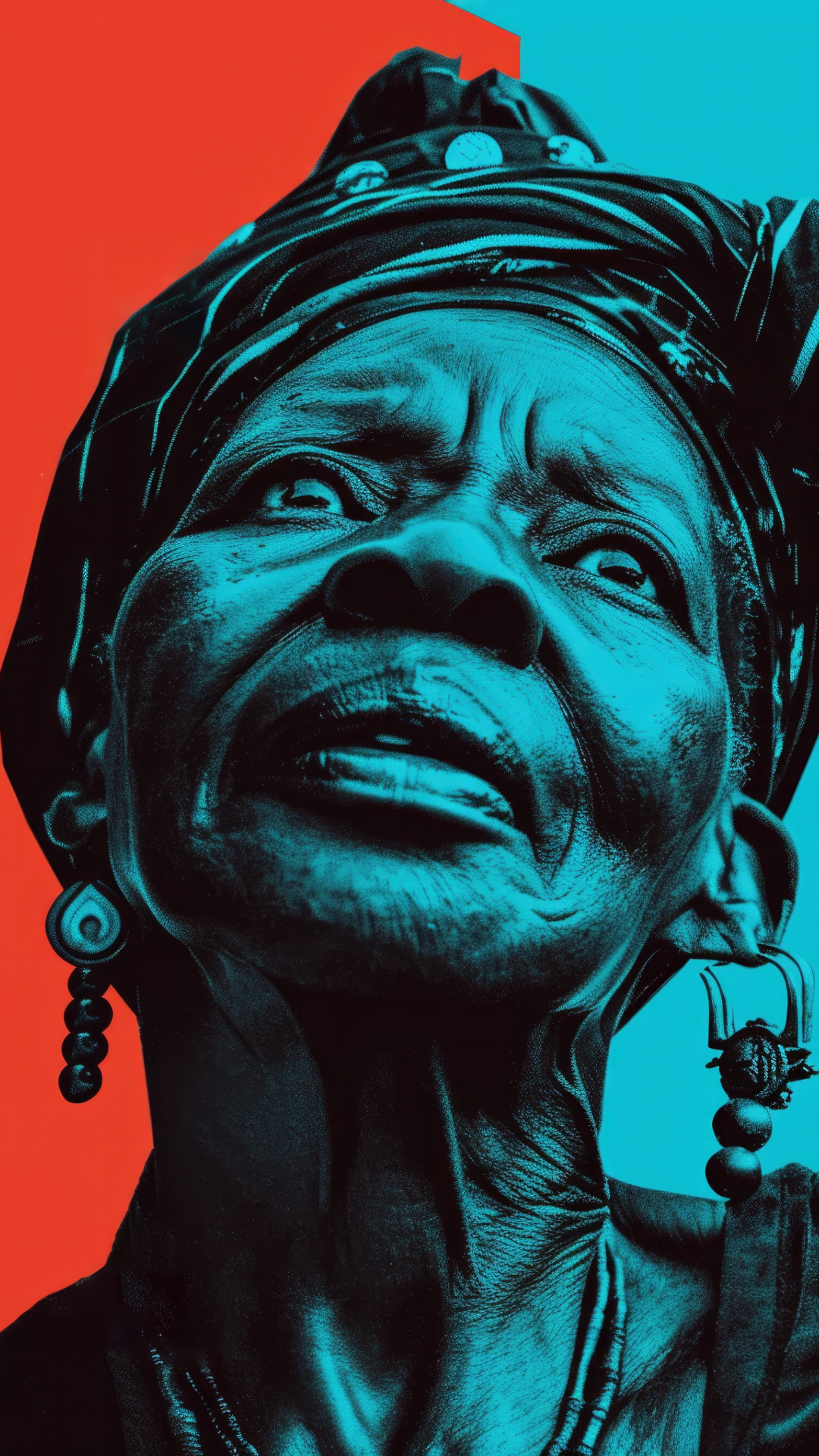
Oral History as Evidence
Historical Thinking Series
Care for living voices as rigorous historical evidence.
Civics Education Series
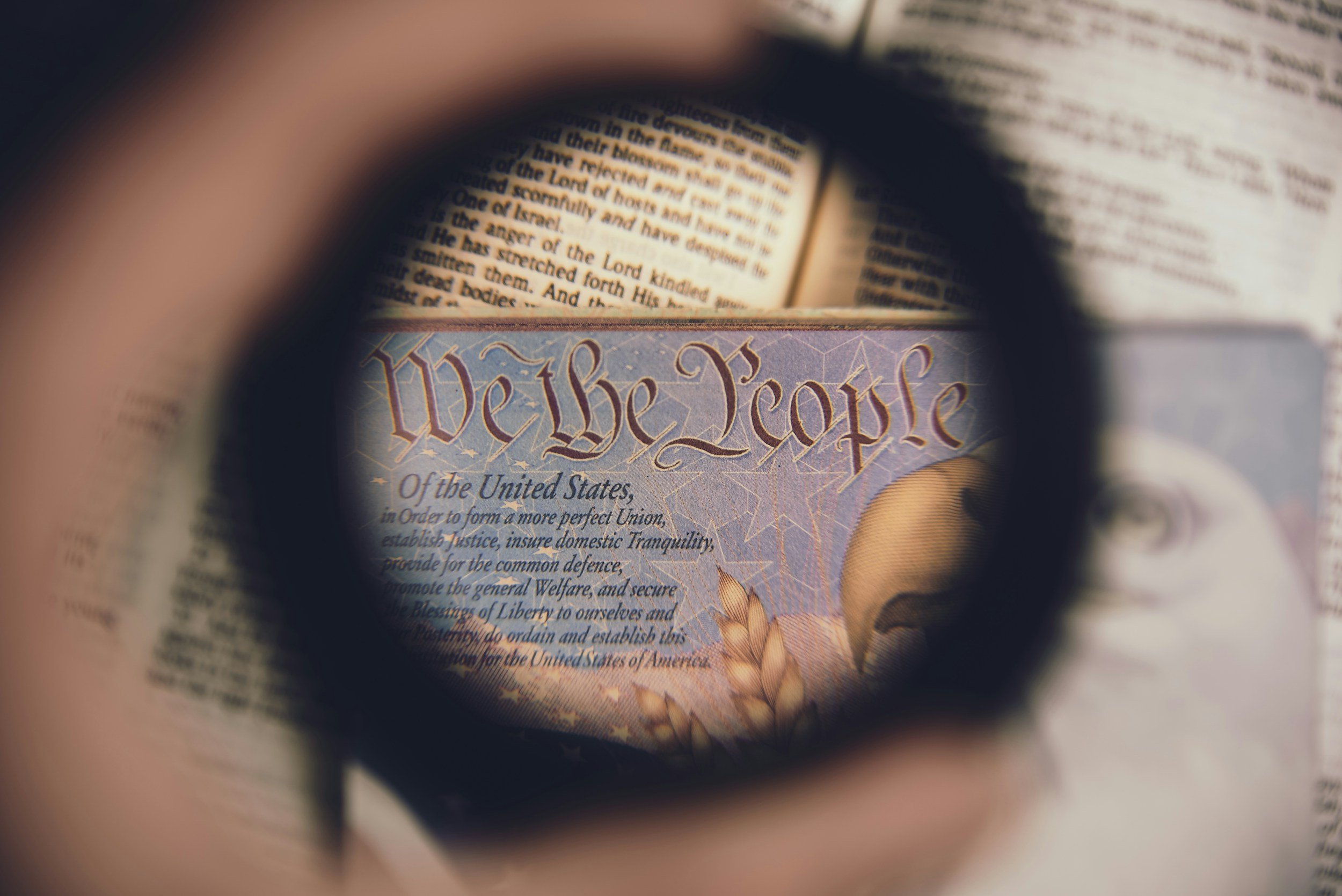
My Community’s Founding Documents
Every community was founded on a set of rules, values, and decisions. Learn to read who wrote them, what they promised, and who they left out.
Civics Education Series

How Does My Local Government Work?
Civics Education Series
Trace a local decision through the actual structure of democratic governance.
Need access for your whole institution? Site licenses start at $249/year for unlimited educators at your site.
How Customization Works
Built for educators who don't have time to build curriculum from scratch
You fill in what you know. We handle what you don't.
Every Junior History League curriculum comes with a guided customization process. After you purchase a curriculum, you'll answer a short series of questions about your site: your object, your document, your time period, and the people whose stories you want students to explore. The whole thing takes half an hour or less.
When you're done, we generate a complete, customized educator toolkit:
Four full lessons
Student worksheets
Discussion guides
Differentiation notes for learning needs and special interests
All with your site's specific content already in place. You can download it, print it, share it with your team, and edit it however you need to.
Your customization is saved to your account. Come back any time to update it, regenerate it, or start a new one for a different curriculum.
You can also publish your completed toolkit to the Junior History League Community Archives - a shared library where members across the country showcase their work, help others adapt it, and learn from how other sites have applied the framework.
Step 1:
Browse the Curriculum Library and choose your framework
Step 2:
Complete a brief guided intake about your historic site
Step 3:
Download your customized toolkit, ready to use
Step 4:
Share in the Community Archives (optional)
Who Junior History League is For
You belong here.

For museum educators and volunteer docents
You care deeply about the history at your site, and you want to connect with youth visitors. You might not have a curriculum background, and you might not have an education staff. What you do have is knowledge of your collection, your community, and the stories that deserve to be told.
Junior History League was designed for exactly your situation. You don't need prior curriculum experience. You don't need a school partnership already in place. You need stories you believe need to be told, a fifteen-minute intake form, and a download button.
That's it. Everything else is in the toolkit.

Your students' history is all around them. It’s in the buildings, the burial grounds, the street names, and the fabric of your own community. Junior History League gives you a way to teach that history with the same rigor you'd bring to any primary source unit, whether or not your school has the budget for a field trip.
Every curriculum is designed to work in the classroom without a site visit (though it works even better with one!)
And because the framework is built around your community's specific history, students aren't studying someone else's past. They're studying their own.
For classroom teachers